The Importance of Stretching in Fitness
Stretching is often overlooked in fitness routines, yet it is a critical component for achieving optimal physical performance and overall health. Integrating stretching into your exercise regimen not only enhances flexibility but also promotes better muscle function, reduces injury risk, and supports long-term joint health. This article explores the multifaceted importance of stretching in fitness and why it should be considered a non-negotiable part of any training program.
Understanding Stretching and Its Role in Fitness
Stretching is the deliberate elongation of muscles and tendons to improve their elasticity and range of motion. Unlike the dynamic movements of strength training or cardiovascular exercise, stretching focuses on maintaining or enhancing the flexibility and mobility of the body. Flexibility refers to the ability of a muscle to lengthen without strain, while mobility is the capacity of a joint to move freely through its full range of motion.
Incorporating stretching into your fitness routine helps maintain these critical aspects, ensuring that your muscles and joints function efficiently during both everyday activities and athletic performance. Many athletes and fitness enthusiasts underestimate the importance of stretching, considering it optional, when in reality, it can profoundly impact results and overall health.
Benefits of Stretching
1. Enhances Flexibility and Mobility
One of the most apparent benefits of regular stretching is improved flexibility. Flexible muscles are less prone to strains and tears, and joints can move more freely, reducing stiffness. Enhanced flexibility also allows for better posture, which is crucial for individuals engaging in strength training or high-intensity workouts. Stretching regularly ensures muscles maintain their length and function, preventing tightness that can compromise performance.
Mobility, closely tied to flexibility, is essential for executing functional movements. Improved mobility enables smoother motion patterns during exercises like squats, deadlifts, and overhead presses. This results in better form, increased strength output, and a reduced risk of joint injuries.
2. Reduces Risk of Injury
Muscle strains, ligament sprains, and joint injuries are common among active individuals. Stretching plays a preventative role by preparing muscles and tendons for the demands of exercise. When muscles are elongated and warmed up, they are more resilient against sudden forces or awkward movements.
Dynamic stretching before a workout can specifically target muscles that will be used, activating them while enhancing their elasticity. Static stretching post-exercise helps muscles recover, reducing soreness and the likelihood of chronic injuries. Consistent stretching, therefore, acts as a natural protective mechanism against physical trauma.
3. Improves Circulation and Recovery
Stretching promotes blood flow to muscles, which is crucial for nutrient delivery and waste removal. When muscles receive adequate blood supply, they recover faster from strenuous activity, reducing post-exercise soreness. This is particularly important for individuals engaging in heavy resistance training or endurance workouts, as muscle repair and growth depend on efficient circulation.
Incorporating stretching into recovery routines can also alleviate tension and improve the overall function of the nervous system. This creates a holistic benefit, enhancing not just the muscles but also overall body performance and mental focus.
4. Enhances Athletic Performance
Athletic performance is not solely determined by strength or endurance; flexibility and mobility are equally critical. Properly stretched muscles contribute to greater power output, faster reaction times, and more precise movement patterns. Athletes in sports requiring agility, such as soccer, basketball, or tennis, benefit greatly from improved flexibility because it allows for efficient and fluid motions.
Dynamic stretching, in particular, primes the body for explosive movements, enhancing sprinting speed, jumping height, and overall coordination. Over time, a consistent stretching routine can make the difference between good and elite athletic performance.
5. Supports Mental Health and Stress Relief
Stretching is not just a physical tool; it also has mental benefits. Mindful stretching, especially forms like yoga or Pilates, engages the nervous system and encourages relaxation. Stretching can reduce tension, lower stress hormone levels, and promote a sense of calm.
The meditative aspect of stretching helps individuals develop body awareness, making it easier to recognize areas of tension or imbalance. This holistic benefit supports both mental clarity and physical performance, bridging the gap between mind and body.
Types of Stretching
Static Stretching
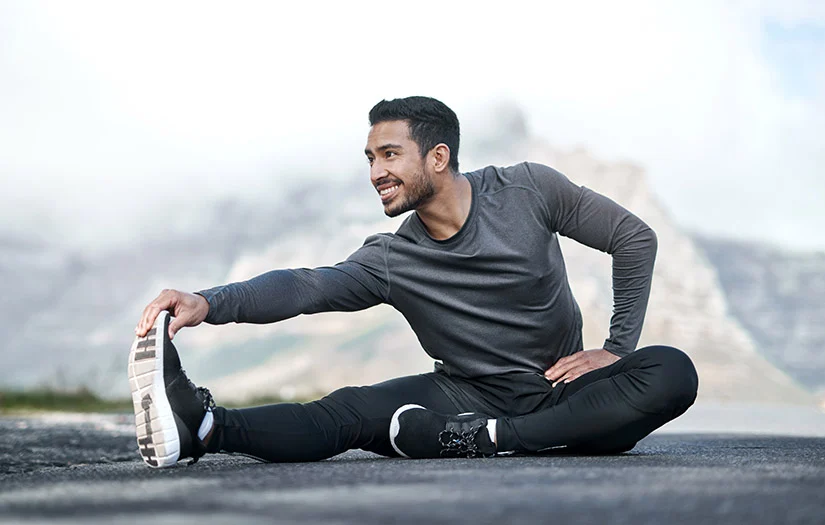
Static stretching involves holding a muscle in an elongated position for a period of time, usually between 15 to 60 seconds. This type of stretching is effective post-workout to improve flexibility and relax the muscles. Examples include hamstring stretches, quadriceps stretches, and shoulder stretches.
Dynamic Stretching
Dynamic stretching uses controlled, active movements to improve blood flow and warm up muscles. Movements are typically sport-specific and help prepare the body for exercise. Examples include leg swings, arm circles, and walking lunges.
PNF Stretching
Proprioceptive Neuromuscular Facilitation (PNF) combines stretching and contracting the targeted muscle group. This advanced method is highly effective for increasing flexibility and is commonly used by athletes or physical therapists.
Active Isolated Stretching
Active isolated stretching involves holding a stretch for just 1–2 seconds and repeating it multiple times. This method encourages muscle activation and increased range of motion without overstretching.
How to Integrate Stretching into Your Fitness Routine
Incorporating stretching requires thoughtful planning rather than a casual approach. A well-structured routine should include:
- Pre-workout dynamic stretches to warm up muscles and joints.
- Post-workout static stretches to facilitate recovery and reduce muscle tension.
- Dedicated flexibility sessions, such as yoga or Pilates, a few times per week.
- Targeted stretches for muscle groups that are prone to tightness, like hip flexors, hamstrings, and shoulders.
Consistency is key; stretching daily, even for short periods, yields significant long-term benefits.
Common Myths About Stretching
- Stretching prevents all injuries: While stretching reduces the risk of muscle strains, it does not prevent injuries caused by accidents or improper technique.
- You must stretch every day for results: Even 3–4 focused sessions per week can improve flexibility over time.
- Stretching before lifting weights decreases strength: Static stretching before intense lifting may slightly reduce maximal strength, but dynamic stretching improves performance.
Real-Life Applications of Stretching
Stretching is not only beneficial for athletes. Office workers, for instance, often experience muscle tightness in the back, neck, and shoulders due to prolonged sitting. Integrating stretching breaks throughout the day can alleviate tension, improve posture, and enhance productivity.
For older adults, stretching can improve mobility and reduce the risk of falls by maintaining joint function and muscle elasticity. Even casual fitness enthusiasts benefit from stretching by enjoying more comfortable daily movement and enhanced exercise performance.
Frequently Asked Questions
Q: How long should I hold a stretch for optimal benefits?
A: For static stretching, holding each stretch for 20–60 seconds is recommended. PNF stretches typically require shorter holds with muscle contractions in between.
Q: Can stretching improve posture?
A: Yes. Stretching tight muscles, particularly in the chest, shoulders, and hip flexors, can correct imbalances and enhance posture.
Q: Should I stretch if I am not very flexible?
A: Absolutely. Flexibility improves gradually with consistent stretching, and starting with gentle stretches prevents injury.
Q: How often should I stretch?
A: Ideally, incorporate stretching into every workout session, and consider short daily sessions to maintain flexibility.
Q: Is stretching necessary if I only do strength training?
A: Yes. Strength training without stretching can lead to tight muscles, reduced range of motion, and higher injury risk. Stretching complements strength training by maintaining mobility and muscle balance.
Incorporating regular stretching into your fitness routine is essential for overall physical health, performance, and injury prevention. Its benefits extend far beyond flexibility, supporting better circulation, mental well-being, and enhanced athletic performance. By understanding the different types of stretching and integrating them thoughtfully into workouts, individuals at any fitness level can maximize the effectiveness of their training while maintaining long-term muscle and joint health.
Would you like me to also create an SEO-optimized meta description and suggested title tags for this article to ensure it ranks highly?