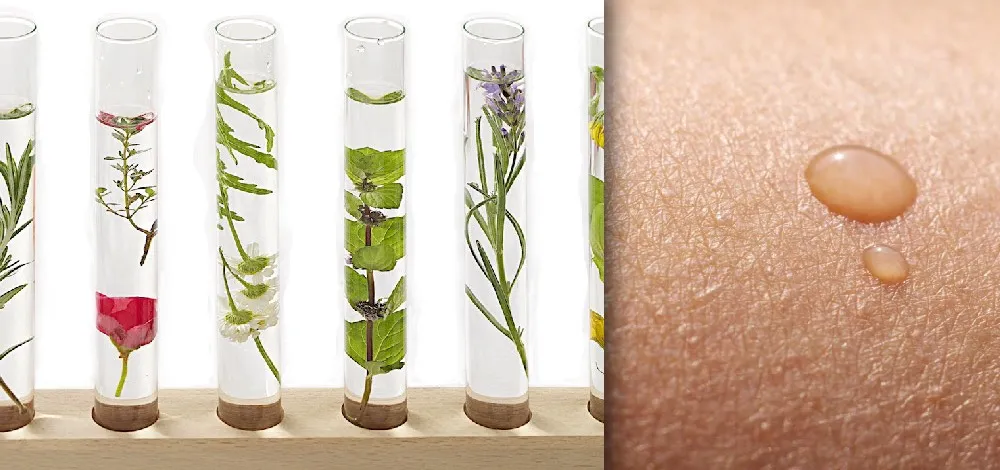
Herbal Treatments for Skin Disorders
Skin disorders affect millions of people worldwide, ranging from mild irritations to chronic conditions such as eczema, psoriasis, and acne. While conventional treatments often rely on synthetic medications and topical creams, there is a growing interest in herbal treatments for skin disorders due to their natural compounds, lower risk of side effects, and holistic benefits. Understanding how herbs interact with skin physiology can provide effective solutions for maintaining skin health and managing chronic conditions.
Understanding Skin Disorders and Their Causes
Skin disorders occur when the protective barrier of the skin is compromised, inflammation occurs, or cellular regeneration is disrupted. Common causes include:
- Genetic predisposition, which influences conditions like psoriasis or atopic dermatitis
- Environmental factors such as pollution, sun exposure, and allergens
- Immune system dysfunction, which triggers inflammation and abnormal skin responses
- Hormonal fluctuations, often contributing to acne or seborrheic dermatitis
Identifying the underlying cause of a skin disorder is crucial before integrating herbal treatments, as different herbs target inflammation, microbial growth, or skin regeneration in unique ways.
Benefits of Herbal Treatments for Skin Disorders
Herbal remedies offer multiple advantages over conventional treatments, particularly for long-term skin health:
- Reduced side effects: Many herbs contain natural anti-inflammatory and antimicrobial compounds that are gentler on the skin
- Holistic healing: Herbs often support the body’s overall balance, addressing internal factors contributing to skin issues
- Antioxidant properties: Many herbal extracts protect skin cells from oxidative stress and free radical damage
- Cost-effective and accessible: Most herbal treatments are affordable and can be applied topically or ingested in teas and supplements
Popular Herbs for Skin Disorders
1. Aloe Vera
Aloe vera is widely recognized for its soothing and healing properties. Its gel contains polysaccharides, vitamins, and amino acids that reduce inflammation, accelerate wound healing, and hydrate the skin.
- Effective for burns, eczema, and psoriasis
- Promotes collagen synthesis and skin regeneration
- Can be applied directly as a gel or included in creams
2. Turmeric
Turmeric contains curcumin, a compound with powerful anti-inflammatory and antimicrobial properties.
- Helps reduce redness, swelling, and acne
- Supports the treatment of eczema and dermatitis by modulating immune responses
- Can be applied as a paste or included in oral supplements for systemic benefits
3. Neem
Neem leaves and oil are rich in compounds such as nimbidin, which have antibacterial, antifungal, and anti-inflammatory effects.
- Commonly used for acne, fungal infections, and psoriasis
- Promotes wound healing and prevents microbial colonization
- Available as oils, creams, and teas for topical or internal use
4. Chamomile
Chamomile contains flavonoids and terpenoids that calm irritation and reduce inflammation.
- Beneficial for sensitive skin, eczema, and rashes
- Can be applied as a compress, infused oil, or incorporated into creams
- Provides mild antioxidant benefits to prevent further skin damage
5. Calendula
Calendula is known for its regenerative properties and ability to enhance collagen production.
- Supports healing of minor cuts, burns, and dermatitis
- Reduces inflammation and promotes tissue repair
- Typically used in ointments, oils, or herbal teas
6. Green Tea
Green tea contains catechins, which have antimicrobial and anti-inflammatory properties.
- Helps manage acne, rosacea, and photoaging
- Provides antioxidant protection to prevent premature aging and oxidative stress
- Can be applied as a topical extract or consumed as a beverage
Integrating Herbal Treatments Into Skin Care
Herbal treatments can be incorporated through topical applications, dietary supplements, or lifestyle adjustments. Key strategies include:
- Topical Application: Directly applying herbal gels, oils, or creams to affected areas promotes localized healing and reduces inflammation
- Oral Supplements: Herbal teas or capsules can modulate immune function and provide systemic benefits for chronic skin conditions
- Combination Approaches: Using multiple herbs synergistically, such as turmeric internally with aloe vera topically, can enhance outcomes
- Patch Testing: Before applying any herbal remedy widely, performing a small patch test prevents allergic reactions or irritation
Evidence-Based Approach to Herbal Treatments
While herbs have been used traditionally for centuries, modern research supports their efficacy for certain skin disorders:
- Aloe Vera has demonstrated accelerated wound healing in clinical trials for burns and diabetic ulcers
- Turmeric has shown reduction in inflammatory markers in patients with psoriasis and eczema
- Neem exhibits potent antimicrobial activity against acne-causing bacteria and fungi
- Green Tea Extract reduces sebum production and inflammation in acne-prone skin
This evidence underscores the potential of herbal treatments as complementary or alternative therapies alongside conventional medicine.
Lifestyle Factors Supporting Herbal Treatment
Herbal remedies work best when combined with lifestyle practices that support skin health:
- Proper hydration: Maintaining skin moisture enhances absorption of topical herbs
- Balanced diet: Foods rich in antioxidants, vitamins, and healthy fats complement herbal therapy
- Stress management: Yoga, meditation, and adequate sleep reduce inflammation triggered by stress
- Sun protection: Protecting skin from UV damage enhances the efficacy of herbal treatments and prevents flare-ups
Common Misconceptions
- All-natural means all-safe: Even natural herbs can cause allergic reactions or interact with medications
- Instant results: Herbal treatments often require consistent use over weeks or months for visible improvements
- One-size-fits-all: Each skin disorder may require a tailored approach, as response to herbs can vary individually
Real-Life Applications
Individuals with eczema often benefit from a combination of aloe vera and chamomile for soothing inflamed patches. People dealing with acne may find neem oil and green tea extracts effective in reducing breakouts without harsh chemical exposure. For psoriasis, turmeric supplementation along with calendula ointment may improve skin texture and reduce scaling.
Herbal treatments can also be preventive; incorporating green tea, turmeric, and antioxidant-rich herbs into daily routines helps maintain healthy skin and reduce susceptibility to chronic conditions.
Frequently Asked Questions
Q: Can herbal treatments replace conventional medicine for severe skin disorders?
A: For mild to moderate conditions, herbs can be highly effective. Severe or persistent disorders should be managed under medical supervision, with herbs used as complementary therapy.
Q: How should I choose the right herb for my skin condition?
A: Identify the primary symptoms, such as inflammation, dryness, or microbial infection, and select herbs with evidence-backed efficacy for those specific issues.
Q: Are there side effects to herbal skin treatments?
A: Possible side effects include allergic reactions, irritation, or interactions with medications. Patch testing and consulting a healthcare professional are recommended.
Q: Can I use multiple herbs at the same time?
A: Yes, but it’s important to monitor for skin reactions and choose herbs with complementary actions to avoid overstimulation or irritation.
Q: How long does it take to see results from herbal treatments?
A: Results vary depending on the herb, skin disorder, and individual physiology. Mild conditions may improve within weeks, while chronic disorders may require consistent treatment over several months.
Herbal treatments offer a powerful, evidence-backed approach to managing and preventing skin disorders. By selecting appropriate herbs, integrating them thoughtfully into routines, and supporting treatment with lifestyle practices, individuals can achieve healthier, more resilient skin while minimizing the risk of side effects commonly associated with conventional medications.