Advanced Treatment Techniques for Joint Pain
Joint pain is a pervasive issue that affects millions of individuals worldwide, ranging from mild discomfort to debilitating conditions that impact daily life. Modern medicine offers a spectrum of solutions, but advanced treatment techniques for joint pain are increasingly sought after due to their precision, effectiveness, and ability to target underlying causes rather than simply masking symptoms. Understanding these methods can empower patients and healthcare providers to develop tailored strategies that improve mobility, reduce inflammation, and enhance quality of life.
Understanding Joint Pain
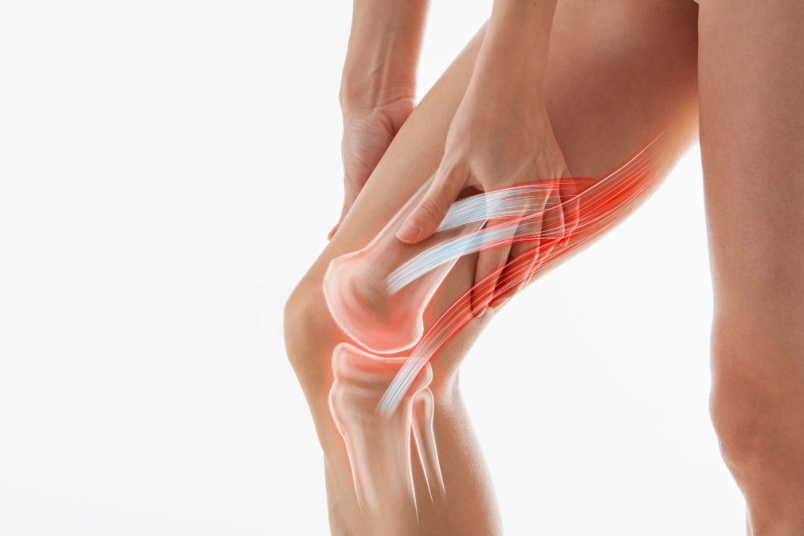
Joint pain can originate from a variety of sources, including osteoarthritis, rheumatoid arthritis, bursitis, tendinitis, and post-injury inflammation. The pain often results from cartilage degeneration, ligament stress, or inflammation of the synovial fluid that cushions joint movement. Recognizing the type and severity of joint pain is essential before implementing advanced treatment strategies, as interventions vary widely depending on the underlying pathology.
Benefits of Advanced Treatment Techniques
Modern approaches to joint pain focus on:
- Targeted therapy: Addressing specific joint structures like cartilage, ligaments, or synovium
- Minimally invasive procedures: Reducing recovery time and risk associated with surgery
- Regenerative methods: Stimulating the body’s natural healing mechanisms
- Pain management: Providing relief without relying solely on systemic medications
- Enhanced mobility: Supporting long-term functional improvement and quality of life
By combining medical precision with innovative techniques, advanced treatments aim to improve outcomes for both acute and chronic joint disorders.
Minimally Invasive Interventions
Arthroscopic Surgery
Arthroscopy involves inserting a small camera and surgical instruments into the joint through tiny incisions. This technique allows surgeons to repair or remove damaged tissue without the extensive trauma associated with traditional surgery.
- Effective for repairing meniscal tears, ligament injuries, and cartilage damage
- Reduces post-operative pain and speeds recovery compared to open surgery
- Allows precise assessment and treatment of joint structures
Intra-Articular Injections
Injections directly into the joint space can provide targeted relief and promote healing. Common types include:
- Corticosteroids: Powerful anti-inflammatory agents that reduce swelling and pain in conditions like arthritis
- Hyaluronic Acid: Acts as a lubricant and shock absorber, improving joint movement and reducing friction
- Platelet-Rich Plasma (PRP): Uses the patient’s own blood platelets to stimulate tissue repair and reduce inflammation
- Stem Cell Therapy: Employs mesenchymal stem cells to regenerate cartilage and repair joint tissue
Radiofrequency Ablation
Radiofrequency ablation targets nerve endings transmitting pain signals from the joint. By using controlled heat, the procedure reduces pain while preserving joint function.
- Often used for chronic knee, hip, and spine-related joint pain
- Minimally invasive with rapid recovery
- Can be combined with other regenerative therapies for enhanced outcomes
Regenerative Medicine Approaches
Stem Cell Therapy
Stem cells have the unique ability to differentiate into various cell types, including cartilage and connective tissue. In joint pain management, stem cell therapy aims to:
- Regenerate damaged cartilage
- Reduce inflammation and prevent further degeneration
- Restore joint function and mobility over time
This therapy is often sourced from the patient’s own bone marrow or adipose tissue, minimizing the risk of immune reactions.
Platelet-Rich Plasma (PRP) Therapy
PRP therapy concentrates platelets from the patient’s blood and injects them into the affected joint. Platelets release growth factors that:
- Accelerate tissue repair
- Reduce chronic inflammation
- Promote cartilage and ligament regeneration
PRP is particularly effective for early osteoarthritis, tendon injuries, and post-surgical rehabilitation.
Prolotherapy
Prolotherapy involves injecting a solution, typically dextrose-based, into ligaments or tendons to stimulate the body’s natural healing response. This technique:
- Strengthens weak joint structures
- Reduces pain by promoting tissue repair
- Improves joint stability and function
Physical Therapy and Rehabilitation
Advanced treatment of joint pain often incorporates personalized physical therapy plans designed to complement medical or surgical interventions. Techniques include:
- Targeted Strengthening Exercises: Focused on muscles supporting the joint to reduce load and improve stability
- Range of Motion Therapy: Enhances flexibility, prevents stiffness, and maintains joint mobility
- Neuromuscular Re-education: Improves coordination and reduces compensatory movement patterns that exacerbate pain
- Aquatic Therapy: Utilizes water resistance to strengthen muscles while minimizing joint stress
Regularly guided physical therapy not only supports recovery but also prevents recurrence of joint pain by improving biomechanics and overall musculoskeletal health.
Lifestyle Modifications Supporting Joint Health
Even with advanced treatments, long-term management requires addressing lifestyle factors that contribute to joint degeneration:
- Weight Management: Reducing excess body weight decreases stress on weight-bearing joints such as knees and hips
- Balanced Nutrition: Anti-inflammatory diets rich in omega-3 fatty acids, antioxidants, and vitamins support joint health
- Low-Impact Exercise: Activities like swimming, cycling, and yoga strengthen muscles without stressing joints
- Proper Ergonomics: Maintaining correct posture during daily activities prevents repetitive stress injuries
Combining medical interventions with lifestyle adjustments ensures a comprehensive approach to joint pain management.
Emerging Technologies in Joint Pain Treatment
Biologic Implants
Biologic implants, including scaffolds embedded with growth factors, are designed to replace or support damaged cartilage. These implants promote tissue regeneration and integration into the natural joint environment.
Nanotechnology-Based Therapies
Nanoparticles can deliver targeted anti-inflammatory agents or growth factors directly to the joint, increasing efficacy while minimizing systemic exposure.
Wearable Technology
Wearable devices now monitor joint movement, load, and inflammation markers, providing data-driven insights that guide rehabilitation and prevent overuse injuries.
Common Mistakes in Managing Joint Pain
- Relying solely on medication: Painkillers address symptoms but do not repair underlying tissue damage
- Ignoring early intervention: Delaying treatment can lead to irreversible cartilage loss
- Overexertion post-treatment: Inadequate rest or improper exercise can compromise recovery
- Neglecting holistic care: Diet, ergonomics, and lifestyle factors are critical for sustainable results
Real-Life Applications
Patients with osteoarthritis of the knee may benefit from a combination of PRP injections, targeted physical therapy, and lifestyle adjustments, significantly reducing pain and delaying the need for total knee replacement. Individuals with chronic shoulder injuries may use stem cell therapy combined with minimally invasive arthroscopic repair to restore function while avoiding open surgery. For athletes, radiofrequency ablation and regenerative medicine allow continued performance while managing chronic joint pain effectively.
Frequently Asked Questions
Q: Are advanced joint pain treatments safe for all ages?
A: Many minimally invasive and regenerative techniques are safe for adults of various ages, but suitability should be assessed by a healthcare professional based on overall health and comorbidities.
Q: How long does it take to see results from regenerative therapies?
A: Results vary; some patients notice improvement within weeks, while tissue regeneration and functional recovery can take several months.
Q: Can physical therapy alone manage joint pain?
A: Physical therapy is highly effective for mild to moderate joint issues, but advanced conditions often require combination therapy with injections, surgery, or regenerative methods.
Q: Is stem cell therapy painful?
A: The procedure typically involves local anesthesia, and patients may experience mild discomfort at the injection site, which usually resolves quickly.
Q: How do I know which treatment is right for my joint pain?
A: A comprehensive assessment including imaging, lab tests, and consultation with a specialist is necessary to determine the most effective combination of treatments tailored to the specific joint and condition.
Advanced treatment techniques for joint pain offer patients a path toward lasting relief, improved function, and enhanced quality of life. By integrating minimally invasive procedures, regenerative therapies, physical rehabilitation, and lifestyle adjustments, individuals can address the root causes of joint discomfort while supporting long-term joint health.