Effective Weight Loss Plans for Women Over 40
Weight management becomes increasingly challenging for women over 40 due to natural hormonal changes, slower metabolism, and shifts in body composition. Despite these obstacles, developing an effective weight loss strategy is entirely achievable with evidence-based planning and sustainable lifestyle adjustments. Effective weight loss plans for women over 40 focus on balancing nutrition, optimizing metabolism, building lean muscle, and supporting hormonal health to achieve long-term results.
Understanding Weight Challenges After 40
After the age of 40, women often experience:
- Hormonal shifts: Reduced estrogen and progesterone levels can lead to fat accumulation, particularly around the abdomen
- Slower metabolism: Muscle mass naturally declines with age, reducing basal metabolic rate
- Changes in appetite regulation: Insulin resistance and fluctuations in leptin and ghrelin can affect hunger cues
- Bone density reduction: Osteoporosis risk increases, making high-impact exercises potentially harmful
These factors require a tailored approach to weight loss that goes beyond simple calorie restriction and incorporates strategies for sustainable, long-term results.
Core Principles of Weight Loss for Women Over 40
Balanced Nutrition
Nutrition is the cornerstone of any effective weight loss plan. Focus should be on nutrient-dense foods that promote satiety, maintain muscle, and regulate hormones.
- High-protein intake: Supports muscle maintenance and thermogenesis; include lean meats, eggs, fish, legumes, and dairy
- Complex carbohydrates: Choose whole grains, fruits, and vegetables to provide fiber and steady energy
- Healthy fats: Include sources like avocado, nuts, olive oil, and fatty fish to support hormone production and satiety
- Micronutrients: Ensure adequate intake of calcium, magnesium, vitamin D, and B vitamins to support bone health, energy, and metabolic function
- Hydration: Water aids metabolism, supports digestion, and reduces unnecessary snacking
Avoid extreme low-calorie diets, which can exacerbate muscle loss, disrupt hormones, and slow metabolism further.
Strength Training and Muscle Maintenance
Building and maintaining lean muscle is essential for women over 40 because muscle tissue burns more calories than fat at rest.
- Resistance training: Incorporate 2–4 sessions per week using weights, resistance bands, or bodyweight exercises
- Compound movements: Squats, lunges, push-ups, and deadlifts engage multiple muscle groups and boost metabolism
- Progressive overload: Gradually increasing resistance prevents plateaus and promotes strength gains
- Recovery: Adequate rest is crucial to avoid injury and allow muscles to rebuild
Strength training also supports bone density, improves posture, and enhances overall functional fitness.
Cardiovascular Exercise
Cardio helps burn calories, improve heart health, and boost metabolism. Women over 40 benefit from a combination of moderate-intensity and interval training.
- Moderate-intensity exercises: Brisk walking, cycling, or swimming for 30–45 minutes, 3–5 times per week
- High-intensity interval training (HIIT): Short bursts of intense activity followed by recovery periods can increase calorie burn and improve insulin sensitivity
- Low-impact options: Elliptical machines, rowing, and water aerobics reduce joint stress while still providing cardiovascular benefits
Cardio should complement strength training rather than replace it, maintaining a balance that supports metabolism and fat loss.
Hormonal and Metabolic Support
Hormonal imbalances often make weight loss challenging after 40. Strategies to support endocrine health include:
- Sleep optimization: 7–9 hours of quality sleep regulates hunger hormones and cortisol levels
- Stress management: Meditation, yoga, and deep breathing can prevent stress-induced fat accumulation
- Insulin sensitivity support: Reducing refined sugar and processed foods, combined with regular physical activity, improves glucose metabolism
- Regular health screenings: Monitoring thyroid, adrenal, and reproductive hormones ensures any underlying issues are addressed promptly
Behavioral and Lifestyle Modifications
Long-term weight loss requires sustainable behavioral changes:
- Meal planning: Prepping balanced meals reduces reliance on processed foods and unhealthy snacking
- Mindful eating: Paying attention to hunger cues and avoiding emotional eating supports portion control
- Consistency over perfection: Focus on regular habits rather than occasional extreme measures
- Tracking progress: Journaling food intake, workouts, and weight changes helps maintain accountability
Lifestyle changes create a supportive environment that enhances adherence to a weight loss plan.
Sample Weekly Weight Loss Plan
Nutrition Guidelines
- Breakfast: Greek yogurt with berries, chia seeds, and a sprinkle of nuts
- Lunch: Grilled salmon salad with mixed greens, quinoa, and olive oil dressing
- Dinner: Lean chicken stir-fry with assorted vegetables and brown rice
- Snacks: Cottage cheese, raw almonds, fresh fruit, or hummus with vegetables
Aim for three balanced meals and two nutrient-dense snacks daily, keeping portions moderate and focusing on protein and fiber to maintain satiety.
Exercise Schedule
- Monday: Strength training (upper body focus) + 20 minutes moderate cardio
- Tuesday: Low-impact cardio (cycling or brisk walking) + core exercises
- Wednesday: Rest or yoga/stretching
- Thursday: Strength training (lower body focus) + 15-minute HIIT session
- Friday: Moderate cardio + mobility work
- Saturday: Full-body circuit strength training + light cardio
- Sunday: Active recovery (walking, stretching, or swimming)
This plan balances muscle-building, cardiovascular health, and recovery to maximize weight loss and metabolic efficiency.
Common Challenges and How to Overcome Them
- Plateaus: Varying workouts, adjusting caloric intake, and incorporating interval training can reignite progress
- Joint discomfort: Use low-impact cardio options and proper strength training form to reduce strain
- Hormonal fluctuations: Regularly monitor hormone levels and adjust diet, exercise, and stress management accordingly
- Time constraints: Short, high-intensity workouts and meal prepping help integrate healthy habits into a busy schedule
Addressing these challenges ensures that weight loss remains consistent and sustainable.
Real-Life Applications
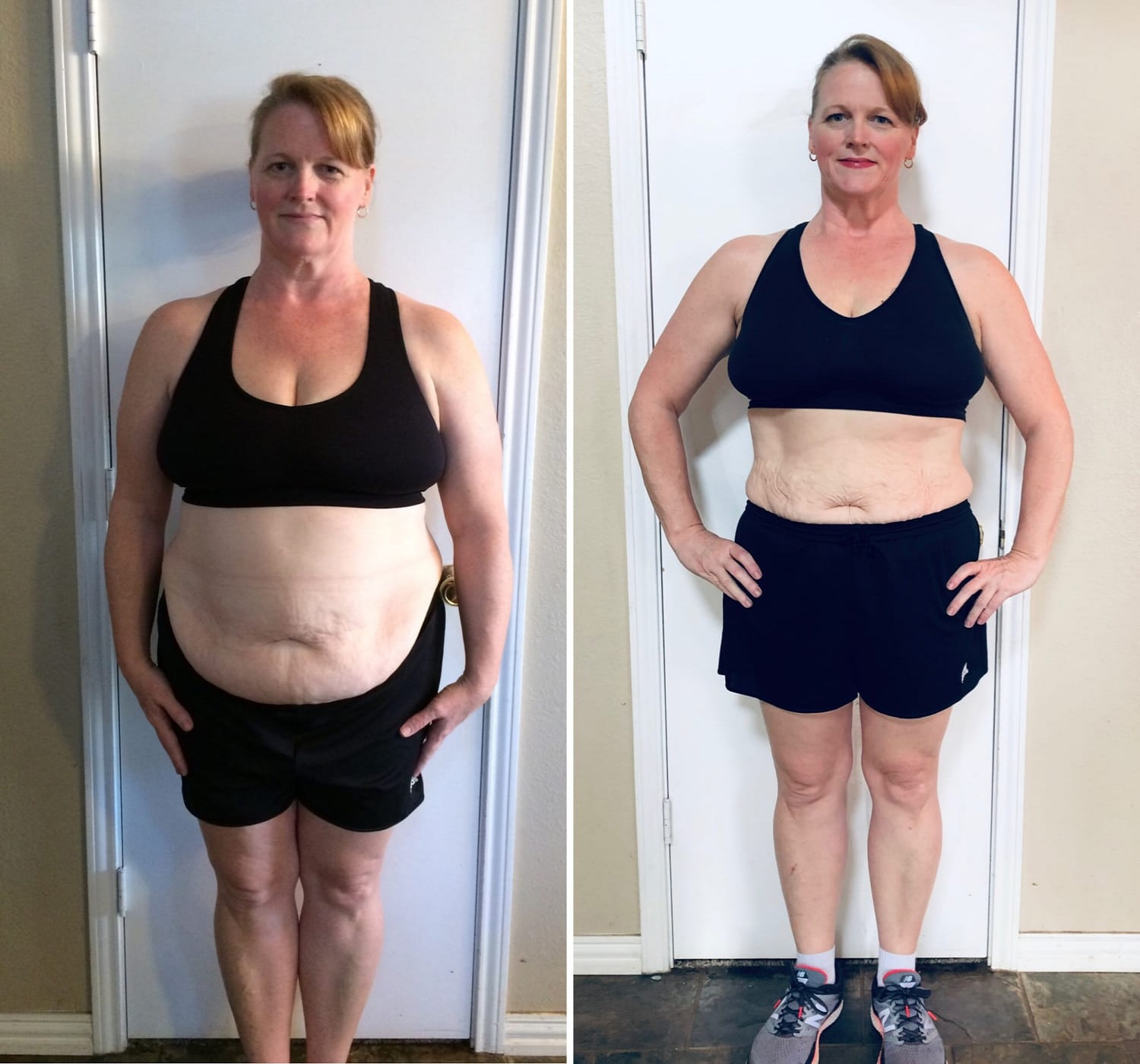
Many women over 40 experience abdominal fat accumulation despite adhering to traditional diets. Integrating strength training with high-protein nutrition, low-impact cardio, and hormonal support can reverse this trend. Women with a history of dieting failures benefit from a structured plan emphasizing lifestyle modification, portion control, and accountability, rather than extreme caloric restriction.
Frequently Asked Questions
Q: How much weight can women over 40 realistically lose per month?
A: A safe and sustainable rate is 1–2 pounds per week, which translates to approximately 4–8 pounds per month, depending on metabolism and adherence to diet and exercise.
Q: Is intermittent fasting effective after 40?
A: Intermittent fasting can be effective if combined with balanced nutrition and exercise, but women should monitor for hormonal disruptions and ensure adequate nutrient intake.
Q: Can women over 40 build muscle while losing weight?
A: Yes. Strength training with adequate protein intake supports muscle retention while promoting fat loss.
Q: How important is sleep in weight loss after 40?
A: Extremely important. Poor sleep disrupts hunger hormones, increases cortisol, and can impede fat loss.
Q: Should I focus more on cardio or strength training?
A: Both are essential. Strength training preserves muscle mass and metabolism, while cardio supports cardiovascular health and calorie expenditure.
Effective weight loss plans for women over 40 combine nutrition, strength training, cardiovascular exercise, hormonal support, and lifestyle modifications. By implementing a structured, evidence-based approach, women can achieve sustainable weight loss, improve metabolic health, and maintain energy and vitality well into midlife and beyond.